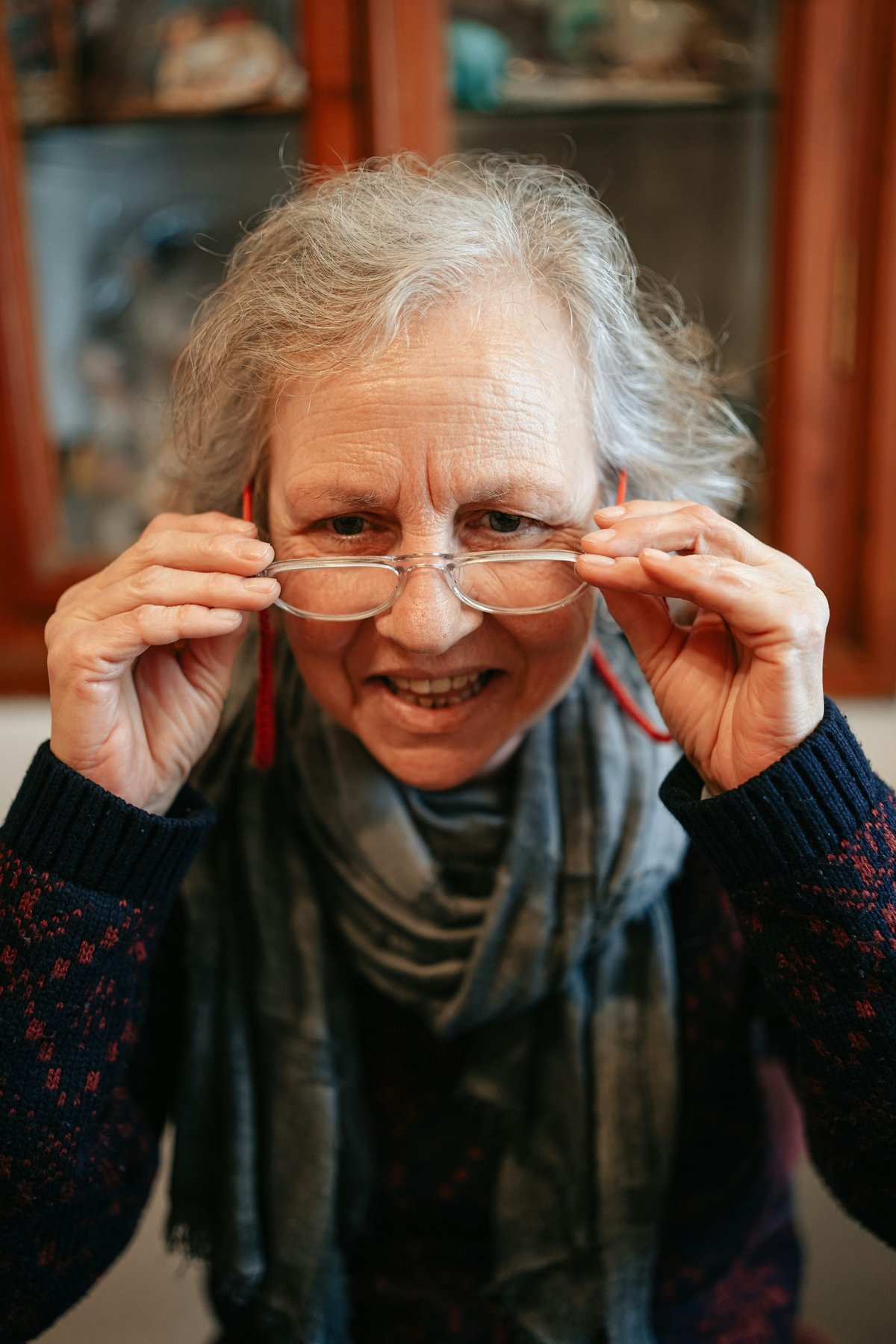
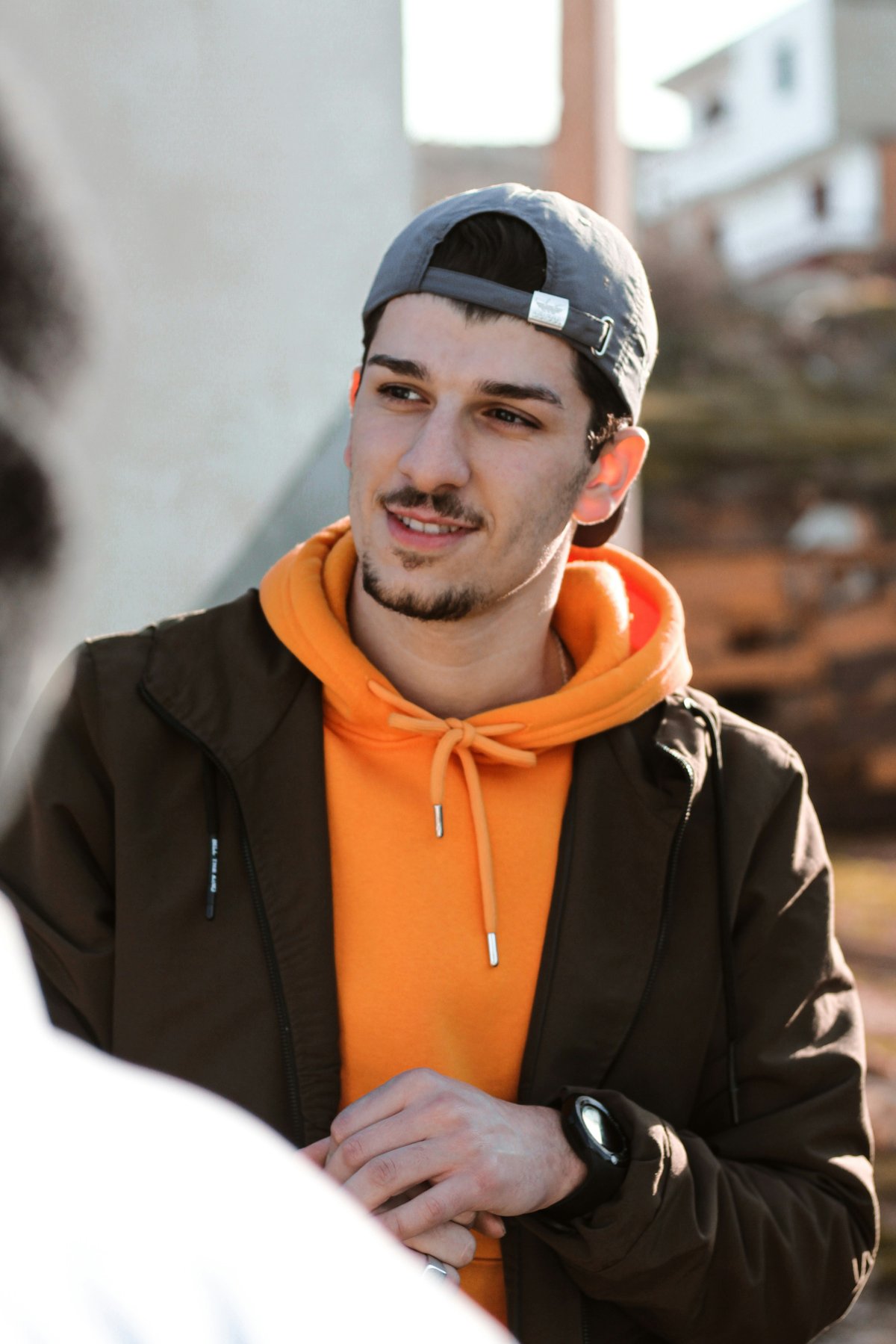
The Wereldbewoners are the three archetypes Liven World designs neighborhoods for: Ruben (19), Rietje (78) and Nizar (21). Three different forms of disconnection, three different needs, and one neighborhood where they can cross paths.
Wereldbewoners are everyone looking for a home in the Netherlands, regardless of age, background or passport. The young person leaving home for the first time. The older person who lost her partner. The international worker starting over here.
They have different stories, but one shared question: "Am I seen here?" Liven World designs neighborhoods where the answer is always yes.
The three personas below aren't a checklist, they're a compass: if the neighborhood works for these three, it works for most.
"I don't just want a roof. I want a neighborhood where I can be myself, even before I know who that is."
Ruben just moved out. He studies during the day, works evenings at a café, and weekends he hangs out with friends who still live with their parents. What he needs isn't just an affordable studio, it's a neighborhood where he can easily meet people, a physical workspace to get out of his room, and mental health support that doesn't only kick in when it's too late.
"I want to be able to ask 'how are you?' in the morning, and to actually get an answer, even when the answer isn't fine."
Rietje lost her husband four years ago. Her two daughters live in England and Germany. Her house is bigger than she needs, her calendar smaller than ever. She doesn't want a care home, that's where you lose your life before you die. What she does want: someone to greet her in the morning, a weekly activity to look forward to, and a button to press if she falls.
"I live here now, but I don't yet belong here. I'm looking for a place that teaches me how the Netherlands works."
Nizar came from Syria for horticulture work in the Westland. He earns a reasonable wage but lives in a collective house where he knows no one and doesn't learn any Dutch. He wants more than a bed, he wants a BSN, a bank account, a GP, a neighbour who explains how waste is separated. And he wants to tell his mother he's building something.
The platform behind the physical neighborhood isn't one-size-fits-all. It's a platform that adapts to whoever uses it, a daily check-in for Rietje, an agenda of study activities for Ruben, an onboarding flow through the Dutch system for Nizar.
Living Infrastructure isn't poetry. We measure whether the neighborhood actually delivers for the people who live there, four pillars, four KPIs we report back quarterly to municipalities, residents and partners.
Figures are targets for Almere R21-1,5,9 at delivery 2027. First measurement after 12 months of occupancy.